
The entertainment business of the family has been expanding rapidly, and in 2025, it does not let up. Contemporary parents need more than playgrounds or video arcades. They need active, social, and safe places where their kids can enjoy themselves but stay healthy. This is why trampoline parks for kids have become one of the most lucrative and thrilling investment opportunities.
But why, precisely, are trampoline parks such an excellent business idea in 2025? Why do they surpass other entertainment options, and why should investors pay attention now? Let’s break it down step by step.
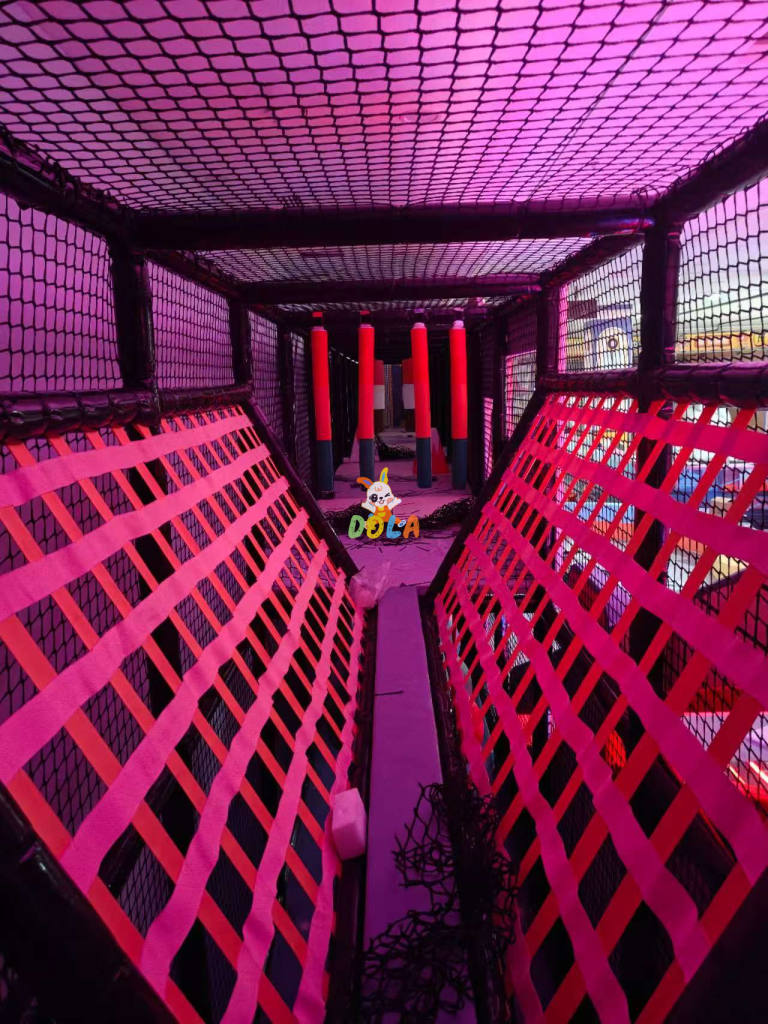
The Rising Demand for Trampoline Parks for Kids in 2025
When considering investment opportunities, the first aspect to consider is always demand. Is the customer demand high enough to keep a business busy throughout the year? In the children’s trampoline park scenario, the answer is definitely.
In 2025, experience trumps material possessions for families. Parents seek activities that are enjoyable but promote healthy living for the kids. Trampoline parks are not usual indoor playgrounds since they provide thrills and exercise. Kids enjoy bouncing, flipping, and running on soft surfaces. Parents see trampolining as a safe means of keeping the kids active.
The industry also benefits from a robust comeback to group activities. Families have had years of minimal gatherings, and they are clamoring for social areas where children can socialize with peers and mark milestones. The phenomenon is luring malls, shopping centers, and even free-standing buildings to incorporate trampoline parks for children as anchor draws.
And so if it’s families that are creating demand, then the question is: are trampoline parks just fun, or are they even profitable?
Why Trampoline Parks for Children Are a Viable Business Model
One of the strongest rationales why investors are attracted to trampoline parks for children is the established business model. Trampoline parks have a payback of only 12 to 18 months compared to some entertainment companies that take years to stabilize.
Why so quickly? One, ticket sales by themselves produce good revenue. Parents will pay by visit or by hour because they perceive real value for the experience. Two, families do not come once. They come back for birthdays, weekends, and holidays, building a loyal customer base of repeat business.
Operation expense is another consideration. While opening a trampoline park involves initial investment, operational costs are less than for theme parks, water parks, or outdoor recreation resorts. You don’t require a large seasonal workforce, and you can operate year-round if the weather permits.
But the biggest money comes from having multiple income streams. That’s where the kids’ trampoline parks really shine, and where smart investors can earn the most money.
Income Streams That Make Trampoline Parks for Kids Successful
Admissions are only the beginning. A well-designed trampoline park has many sources of revenue.
General Admission and Ticket Sales
Parks start with walk-in visits in most cases. Parks charge by the hour or sell per-day passes. Children bring siblings or their friends along, so a visit may turn out to be several tickets sold.
Birthday Parties and Group Events
If there is one profitable segment for children’s trampoline parks, it is birthday parties. Parents will shell out money for party packages that include jump time, party rooms, food, and party staff. These reservations occur every weekend and are stable, high-margin revenue.
Memberships and Loyalty Programs
To ensure that people come back again and again, parks make membership available. A monthly or annual pass not only generates immediate funds but also ensures customer loyalty. For families, it’s cheap, and for owners, it generates constant revenue.
Food, Beverages, and Products
Kids get hungry when they jump. Cafes, snack bars, and vending machines are a convenient way of generating revenue. Socks, t-shirts, and branded toys are also items to be sold. The small items have high margins and promote the park beyond its limits.
Add-On Attractions
Modern kids’ trampoline parks seldom just feature trampolines alone. They include foam pits, ninja warrior courses, climbing walls, and even small arcade rooms to keep things interesting. These diversions provide extended durations of stay and give investors more avenues for revenue.
By now, it should be clear that trampoline parks have multiple revenue streams. But how do they compare to other entertainment firms that serve families as well?
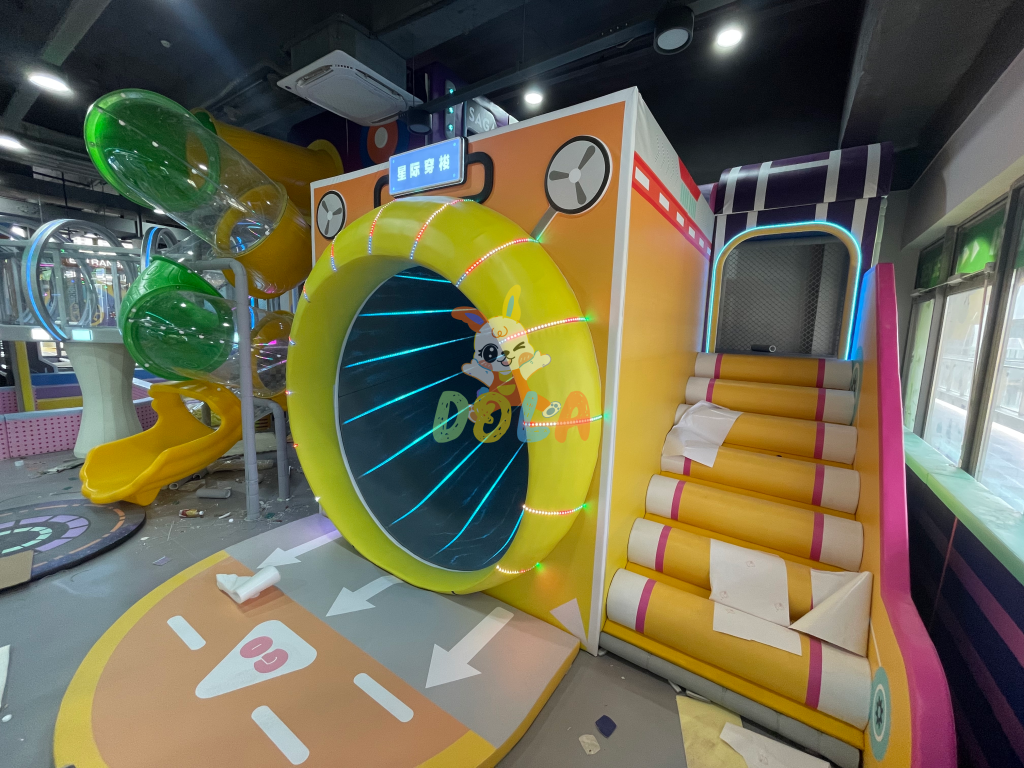
How Trampoline Parks for Kids Compete with Other Entertainment Companies
Investors wonder: why invest in a trampoline park when they could invest in a bowling alley, an arcade, or a run-of-the-mill indoor playground? The answer is flexibility, safety, and sustained demand.
To begin with, children’s trampoline parks are not season-specific. Unlike outdoor amusement parks or water parks, they do not rely on favorable weather conditions. Parents appreciate having a secure indoor facility even on rainy or cold days.
Second, trampoline parks have a broader demographic. While toddlers can play at playgrounds, trampolining can energize older children and even teens. Some trampoline parks even provide areas for adults, making it a whole family outing. Such a varied customer base ensures heavier traffic.
Third, there is scalability. Investors can start small with a mid-sized park and expand later. Unlike massive theme parks that require hundreds of millions of dollars, trampoline parks allow investors to expand in increments.
Lastly, safety has become much better. The equipment is made with contemporary padding, netting, and compliance standards. Teamwork with a reliable manufacturer involves less risk and better customer confidence.
With the advantages above, the question then is: who is the person investors can rely on to help design and build such parks?
Why Partner with Dola Playground to Build Trampoline Parks for Kids
Not all trampoline parks are alike. How well a center does is often a matter of the excellence of its design, equipment, and support. That is where dealing directly with a manufacturer like Dola Playground enters the picture.
Dola Playground offers turnkey solutions for kids’ trampoline parks. Investors are offered a customized design that fits their budget and location. Since Dola is a factory, their costs are lower than if they were to be intermediated by middlemen or resellers.
Safety is another major advantage. Parents will only return if they think the equipment, and Dola uses the best materials available that meet international safety standards. Besides safety, Dola provides after-sales service, maintenance advice, and upgrading advice.
Investors also benefit from global experience. With clients in many countries, Dola understands what types of amenities work best in different markets. That information allows new investors to avoid costly mistakes and set their parks up for success.
With the proper partner in place, the final question is clear: is 2025 the moment to act?
Conclusion
The statistics are impressive. Trampoline parks for kids are not simply neighborhood recreation facilities. They are thriving enterprises with many revenue streams, steady demand, and growing popularity. Parents are seeking active, safe, and social settings, and investors can capitalize on that niche and build a successful business.
2025 is here. Now’s the time. Demand is increasing, competition is moderate, and investors are being incentivized to take action now by the market. The good news is that you don’t have to go it alone. With Dola Playground, you receive not only equipment but also a trusted mentor who understands how to make trampoline parks for kids profitable businesses.
If you are ready to take the next jump and learn how to open or grow a trampoline park, contact Dola Playground today. Let’s jump into a profitable future, leap by leap.
FAQs
1. Are kids’ trampoline parks profitable in 2025?
Yes, they are quite profitable with diversified sources of income like admissions, parties, memberships, and food sales.
2. What is the initial cost of opening a trampoline park for kids?
It is location- and size-based pricing, but the investors will need to budget for equipment, facilities installation, and staff.
3. How quickly can you anticipate returns on a trampoline park?
Most investors anticipate payback in 12 to 18 months, so it is one of the faster family entertainment investments.
4. At what age groups can trampoline parks for children be used?
Though constructed for kids, most parks also have teenagers and adults visiting them, so they are family-friendly.
5. What child safety precautions are provided in trampoline parks?
Existing parks have padded floors, safety nets, well-trained staff, and strict safety protocols.
6. What are the differences between trampoline parks for kids and indoor playgrounds?
Trampoline parks offer active play, physical activity, and thrill, and attract a broader age range than conventional playgrounds.
7. Can children’s trampoline parks operate around the year?
Yes, they are indoor facilities, thus they function regardless of season and weather.
8. How does most of the revenue of children’s trampoline parks come?
Admissions, birthday parties, memberships, food, merchandise, and add-on amenities like climbing walls.
9. Why would investors choose Dola Playground for their trampoline park?
Dola offers customized design, world-class equipment, competitive price, and global experience.
10. Should we be spending money on trampoline parks for kids?
Yes, 2025 will do well as there is a growing demand for family entertainment and competition is not too high.


